Chapter · Brakes
Brake Repair in Erie
Measured honestly, repaired where the car sits, with recommendations aimed at keeping the car on the road for years.
Call 814-259-6498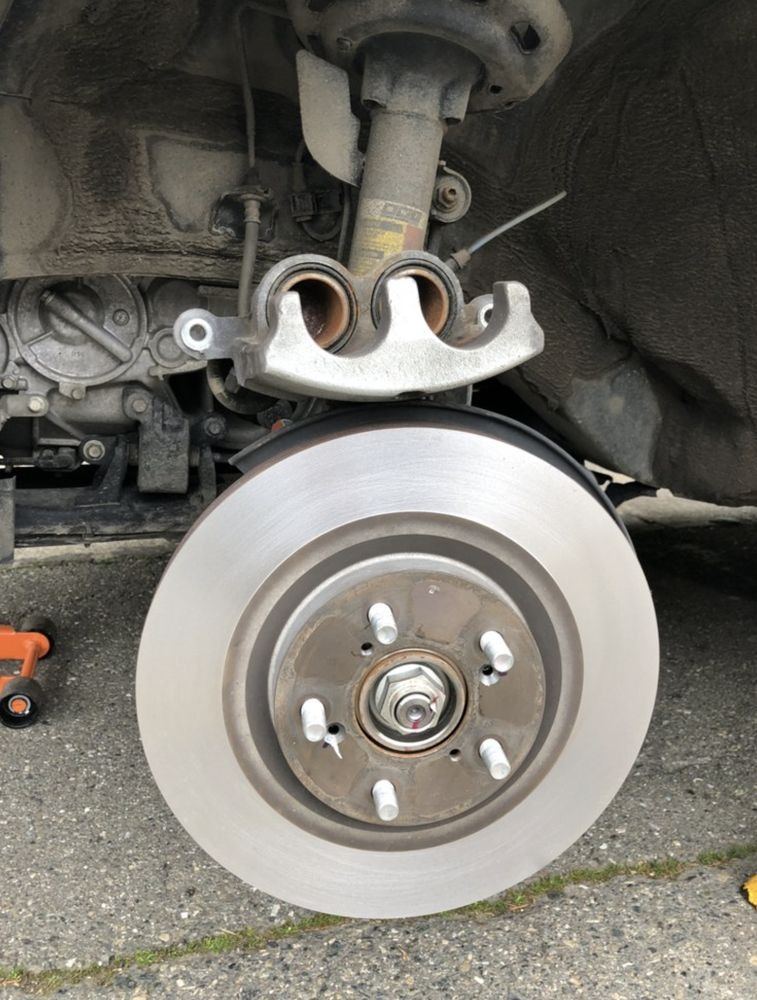
Salt Is the Main Enemy of Erie Brakes
Between lake-effect snow and the brine trucks that answer it, Erie brakes live in salt water half the year. The wear pattern here is corrosion first, friction second: caliper slides seize, hardware rusts to lace, rotor edges grow the lip that shreds new pads, and steel brake lines quietly thin from the outside in. A brake inspection in this town that only measures pad thickness is reading one page of a long book.
Mine reads the whole thing. Pads measured, rotors checked for thickness and rust damage, slides pulled and worked, hardware assessed honestly, lines and hoses traced, fluid tested for moisture, which Erie winters accelerate. If you drive an older car, and most customers here do, the judgment call matters as much as the measurements: what needs doing now, what can wait a season, and what is not worth doing at all on this vehicle. You get all three answers, separated clearly.
Repairs Sized to the Car, Not the Menu
A twelve-year-old sedan with rusty rockers does not need the platinum brake package, and an honest mechanic says so out loud. Parts get matched to the car's realistic future: coated rotors and complete hardware where they will pay for themselves, sensible-grade friction where they will not, and always the cleaning and lubrication that decides whether any brake job survives an Erie winter. Prices go on paper before the wheels come off, discoveries pause the work for your decision, and the old parts line up for inspection when it is done.
Which Brake Symptoms Can Wait
A squeal that shows up after a snowy week and fades with driving is usually surface rust clearing itself; relax. A squeal that stays is pad-time approaching; book it soon. Grinding means it arrived a while ago and is now charging interest. A pedal that pulses at highway speed suggests rotor trouble. One that slowly loses height while you hold a stop is hydraulic, and hydraulic means today. On older cars, that last one deserves extra respect: aging lines fail faster once they start, and a week-early call always beats an hour-late one.
Rear Brakes Wear Out Quietly
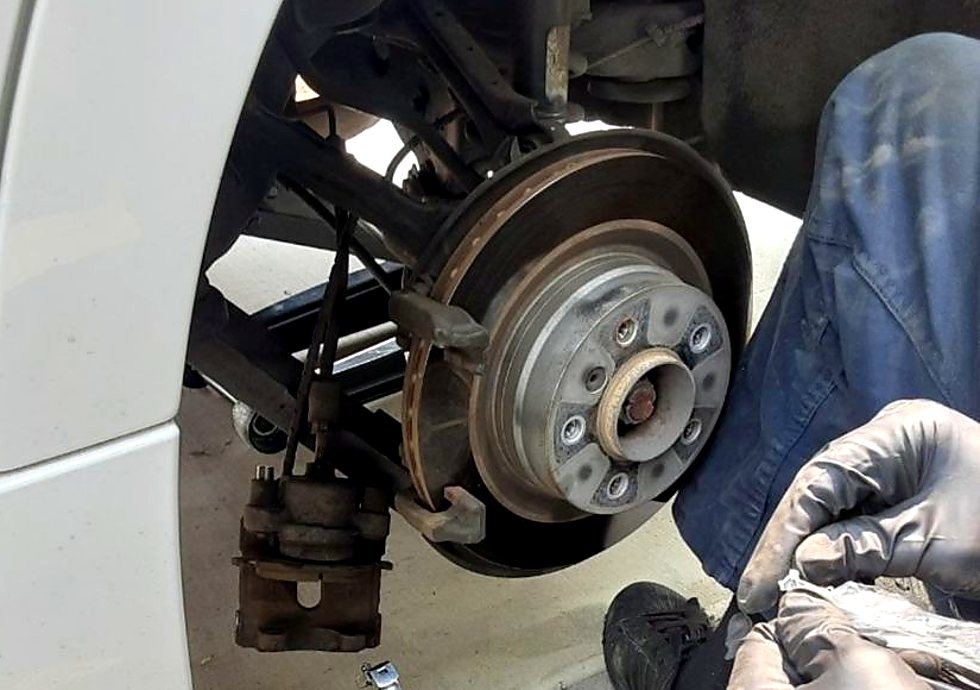
Front brakes announce themselves; rears rust in silence. Drum hardware seizes, parking brake cables freeze inside their sheaths after a few salty winters, and shoes wear crooked once the adjusters quit turning. Plenty of Erie cars flunk their safety check on rear brakes the owner never heard a peep from, which is why any inspection here takes the rears apart too, drums or discs, and why the parking brake gets exercised and greased while everything is open. On the hills near the bayfront, that lever should be more than decoration.
One post-repair habit worth adopting locally: give fresh brakes an easy first day, gentle stops, no panic braking you can avoid, so the new surfaces mate properly before their first brine bath. You will get that advice again with the invoice, along with what was found in the rears, because around here the shadows are where the money hides.
Brakes making themselves known?
Describe the sound and the car, year and mileage included. Old cars welcome; that is the specialty.
814-259-6498